Blogs
What's New Trending

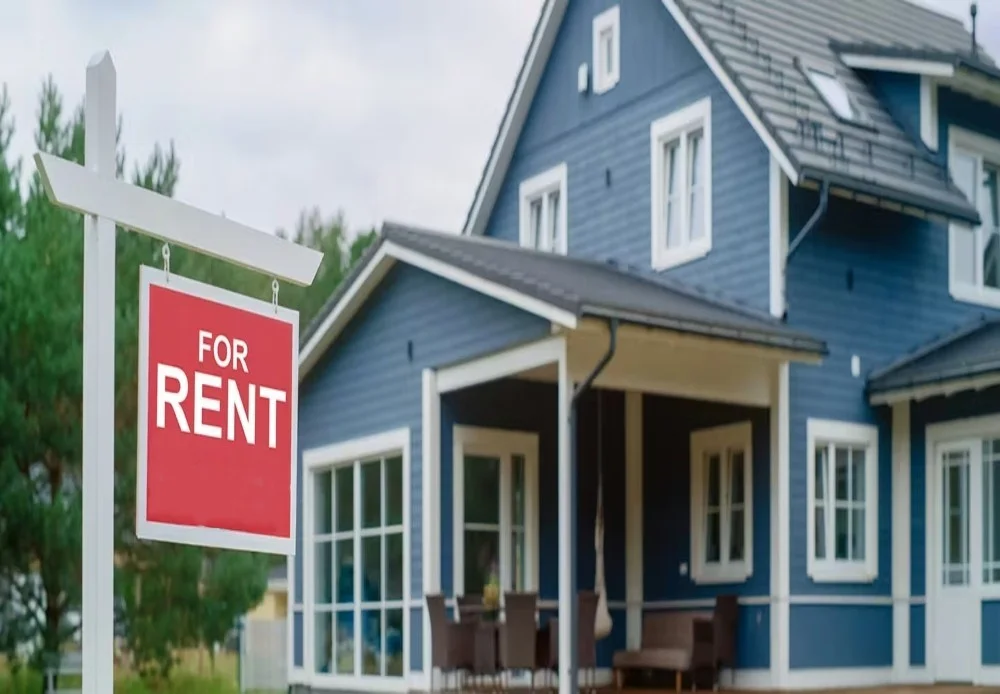
Finding the right rental home in Dubai is about more than location and size. It is also about negotiating the best price. A strong negotiation can save you thousands of dirhams over the course of a lease. Whether you are a first-time renter or relocating from another city, knowing how to negotiate gives you confidence and financial advantage. In this guide, you will learn insider tips that help you understand the market, prepare effectively, communicate strategically, and secure a fair rental deal. These tips are practical, easy to follow, and designed for residents, expats, and investors alike. By the end, you will feel ready to approach landlords or agents with clarity and strength to get the best possible rent in Dubai.
Dubai’s rental market moves quickly, and prices can vary a lot from community to community. Before you start negotiating, you must understand how the market works.
Rental prices rise and fall based on demand.
Important points to know:
When you grasp the overall pattern, you can decide the best time to make offers. For example, if many properties sit vacant, landlords may be more open to negotiation.
Staying informed about wider market trends is vital before you begin talking numbers. Insights into long-term movement help you guess where rent is headed.
Check out the rental and investment outlook for the coming years by exploring the broader Dubai real estate 2026 trends to understand pricing expectations and leverage better during conversations.
Look at similar properties nearby to see how prices compare. This gives you a baseline when asking for a discount.
The community you choose affects your starting rent and negotiating room. Some areas naturally carry higher demand and less flexibility, while others offer more space to negotiate.
Every community in Dubai has its own vibe and pricing structure.
Key community features to check:
For example, areas known for relaxed family living often have stable prices but may offer negotiation flexibility if demand softens.
If you want ideas about community vibes and tenant experience, read about daily life and rental insights in Arjan, Dubai, which covers how lifestyle influences leasing trends and pricing.
Central areas like Downtown Dubai or Dubai Marina usually set higher rent, while suburban communities may offer better negotiation potential. Deciding where you want to live helps you set realistic expectations before entering talks.
Tip: Near new developments or places with many upcoming units, landlords might be more willing to adjust price just to secure a tenant.
Before speaking to an agent or landlord, preparation gives you confidence and credibility.
Start with data. Compare similar units in the same community by:
This makes it clear what price range is reasonable.
Set a clear monthly rent you are willing to pay, and identify the maximum you can stretch to. This helps you stay grounded during conversations and prevents overspending under pressure.
Presenting yourself as a reliable tenant builds trust. Bring all relevant documents:
Landlords appreciate responsible tenants, and this can be a negotiating point.
Try to see things from the property owner’s point of view. They want:
Positioning your offer to address these needs increases your negotiating power.
Now the real negotiation begins. Strong communication and clarity help you get the best possible rent.
Approach conversations with respect and openness.
Positive first impressions matter:
A good rapport makes landlords more willing to discuss options.
Share your research on local rents to justify your offer. For example:
“I noticed similar units in this area leasing for lower rates. Is there flexibility here?”
Referencing facts shows you are informed, not guessing.
If rent cannot be lowered, consider other savings:
These can add up to significant savings.
Show that you are a low-risk tenant. Mention:
Landlords often prefer fewer turnovers and may accept a slightly lower rent for that.
If the deal doesn’t feel fair, be prepared to move on. Sometimes walking away brings landlords back with a better offer.
Tip: Leave contact details and remind them you are still interested if situations change.

How long you plan to stay can affect your negotiating position.
Longer leases often appeal to landlords because they reduce vacancy risk.
Negotiation considerations:
Offering to commit longer reassures landlords, and they may reward that commitment with reduced rent.
If you are already in a property and renewing, now is your chance to ask for rent adjustments.
Use these points:
Renewal negotiation can be a repeatable opportunity to save.
How you pay rent can influence the total cost.
Dubai landlords typically prefer post-dated cheques. This helps them plan and secures their cash flow.
Strategies to consider:
These adjustments can sometimes reduce pressure on your finances and create room for rent discussions.
If you have a history of prompt payments, mention it. Landlords value predictable income and may reward tenants who are reliable.
Tip: Draft an offer that includes your ideal payment method clearly, not as a wish but as a plan.
Negotiation is easier when you understand broader market forces.
If more units are vacant, or new projects are coming online, landlords may feel pressure to fill units. This creates room for negotiation.
For example, projections from the Dubai real estate 2026 trends show how upcoming developments and rental demand changes can affect pricing and tenant leverage in the near future. Knowing these patterns helps you decide when to push harder and when to wait.
Some times of the year see slower rental demand, such as summer months or before major holidays. Use these quieter periods to request better offers.
Tip: If you are flexible with your move-in date, ask how timing may affect rental price.
Not all landlords will bend quickly. How you respond to “no” matters.
If a landlord refuses your first offer, ask:
This shows you are serious and willing to cooperate.
Instead of repeating your original offer, reframe your argument:
Use questions that invite discussion rather than conflict.
Once you reach a middle ground that feels fair, close confidently. A quick agreement protects goodwill and prevents back-and-forth fatigue.
Even after negotiation, some checks remain essential.
Before you sign:
Never rely on verbal agreements alone.
Jewari registration makes your contract official and legal. This protects both you and the landlord.
Before moving in, document any existing issues with photos or notes. This protects your security deposit later.
Negotiating the best rental price in Dubai does not need to be confusing or frustrating. With clear research, strategic communication, and confidence, you can save significant money and secure a lease that feels fair. Keep your goals in mind, use data to support your position, and show respect to landlords and agents. Dubai’s rental market rewards informed tenants who know their value and are prepared to discuss quality and cost. Whether you are moving into a new community or renewing a lease, these insider tips help you save more and rent smarter in Dubai.
If you need help with evaluating rental offers or want personalized negotiation support, WhatsApp us now for expert guidance and tailored advice.
What should tenants research before negotiating rent in Dubai?
Tenants should check comparable rental prices in the same community, understand current market trends, and assess community amenities to build a fair offer.
Can lease length affect my rental rate?
Yes, landlords often offer better prices for longer lease commitments, as it reduces vacancy risk and provides stable income.
Should I negotiate non-price concessions?
Absolutely, asking for perks like reduced maintenance fees, waived parking charges, or flexible payment terms can boost overall savings.
Is it better to negotiate directly with the landlord or through an agent?
Both can work, but approaching the landlord with clear research and respect often strengthens your position; agents can also help if they understand your goals.
How do market shifts influence rental negotiations?
When there are more available units or slow demand, landlords may be more willing to adjust prices since they prefer tenants over vacancies.
Leave a Reply